
Singapore has no shortage of striking restaurant openings, but few come wrapped in as much history as Loca Niru. Tucked on the second storey of the House of Tan Yeok Nee, this new fine-dining concept sits inside a mansion that predates most of the buildings around it, and that context shapes the entire evening before a single course arrives.
Chef Shusuke Kubota leads the kitchen, drawing on years spent across Japanese, French and Southeast Asian kitchens to build a menu that borrows freely from all three traditions. The result is Michelin-calibre dining, with precise Japanese technique paired with French finesse and with Southeast Asian ingredients woven through, served across an eight-course tasting experience that rewards a slow, unhurried approach to dinner.
A Mansion With Layers of History
The House of Tan Yeok Nee itself is the real draw for many first-time visitors. Built in 1885 for Teochew merchant Tan Yeok Nee, the mansion is the last surviving example of the “Four Grand Mansions” once found across the island. Since then, the house has lived many lives, a girls’ home: a Salvation Army headquarters, a wartime storage facility, a university campus, and eventually earning recognition as a National Monument.
Recognised as a TIME-recognised heritage landmark, the house has recently been restored and opened to the public for the first time in over a century, giving diners a rare look at original timber carvings and the layout typical of a grand Teochew residence. Rooted in that heritage yet shaped by fresh ideas, the space now sets the stage for a very different kind of evening.
A Fresh Face Near Dhoby Ghaut
For anyone searching for a Dhoby Ghaut Japanese restaurant with something a little different to offer, Loca Niru fits neatly into that gap. Its location near Orchard Road and Dhoby Ghaut MRT makes it an easy stop for a business dinner or a celebratory night out, while the setting itself does much of the storytelling work that other fine-dining rooms have to manufacture. Preserved architectural details sit alongside contemporary touches, and staff are on hand to share the building’s backstory between courses if guests are curious.
Three Ways To Dine
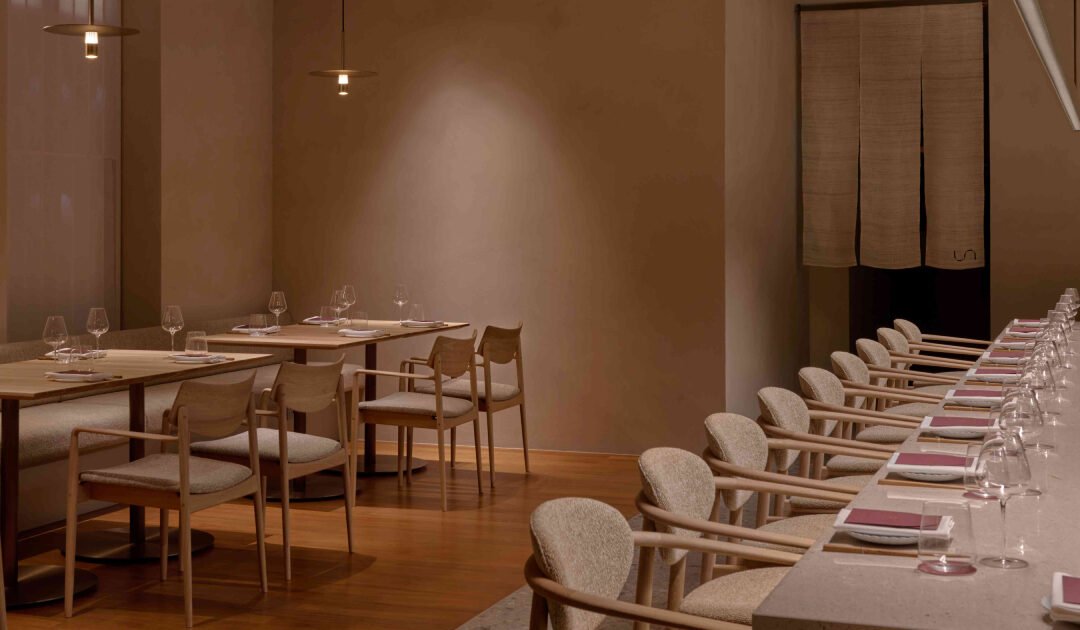
Part of Loca Niru’s design lies in the range of seating options, each intentionally designed to shape a different way to experience the restaurant. Guests who enjoy watching a meal come together can take a spot at the 12-seater omakase counter, sitting close enough to see each technique and flavour combination unfold in real time. Those after a calmer, more relaxed setting can opt for the main dining hall, a welcoming space built around a thoughtfully curated menu.
For business meetings or celebrations that call for a bit more privacy, the modular private dining rooms seat between six and twelve guests, giving groups a discreet space of their own. This is where the idea of a Japanese restaurant with private room options really comes together, understated and beautifully composed without feeling closed off.
Where Food Meets Heritage
What sets the experience apart is how naturally the food and the space complement each other. Rather than treating the heritage building as a backdrop, its character is woven into the dining experience. With an open layout that brings diners closer to the kitchen, and a pace that encourages them to linger. Arriving a little early to explore the ground-floor gallery before heading upstairs adds a nice bit of context to the meal that follows.
Loca Niru is open for dinner from Tuesday to Saturday, with tasting menus paired with sake or wine for those who want the full experience. Given the limited seating and the growing buzz around the concept, booking ahead is a sensible move, particularly for weekend slots or special occasions.
Ready to see it for yourself? Make your reservation today and experience Loca Niru’s Japanese-French fine dining inside the House of Tan Yeok Nee.