
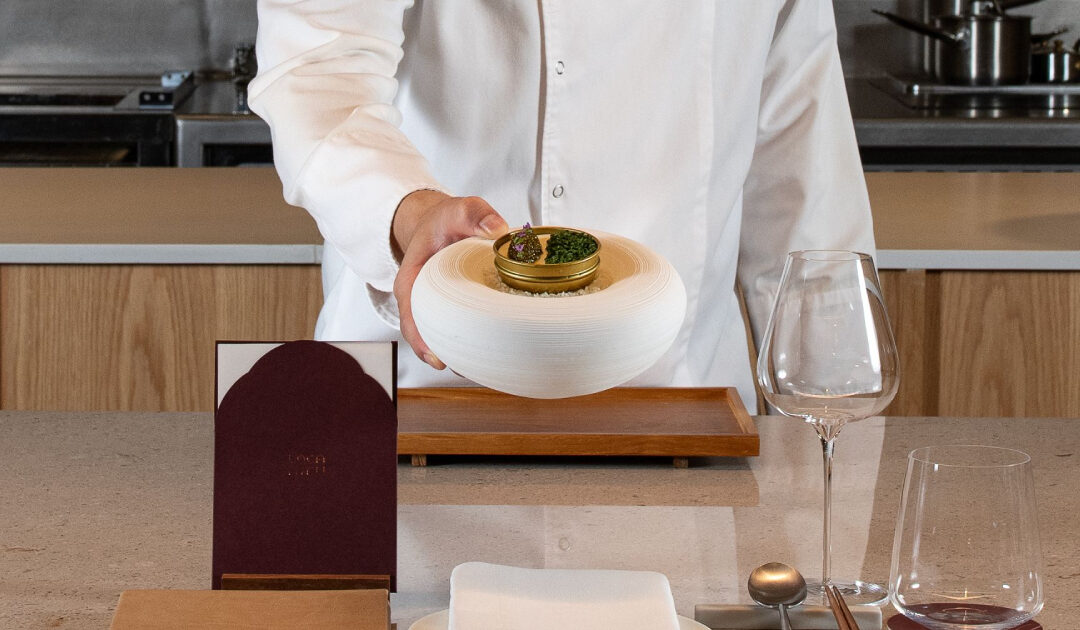
There are some ingredients that quietly command attention the moment they appear on a menu. Amadai, the Japanese tilefish, is one of them.
Prized for its delicate sweetness and refined texture, it is not defined by complexity but by precision. When sourced at its peak in spring, it reflects a clarity of flavour that requires little intervention. Its value lies in restraint rather than embellishment.
What Is Amadai?
Amadai is a deepwater fish found along the coastal waters of Japan and has long been regarded as a seasonal delicacy in Japanese cuisine. Despite its name translating loosely to “sweet sea bream,” it is a distinct species with its own culinary identity.
The flesh is pale, fine, and subtly sweet, with a texture that responds best to careful, controlled cooking. Rather than being shaped by strong seasoning or heavy sauces, Amadai is defined by how little is done to it.
One of the most celebrated preparations is matsukasa-yaki, where the scales are left on and the fish is cooked scale-side down until they puff up and turn golden, creating a crunchy, architectural texture that contrasts beautifully with the soft flesh beneath. It is a technique that requires real precision, and when done well, the result is striking both visually and on the palate. If you have been curious about what seasonal Japanese ingredients look like when a kitchen truly lets them lead, Amadai is a compelling place to start.
The Seasonal Peak of Amadai
Amadai is at its best during Japan’s spring to early summer period, typically between April and July. During this time, cooler waters contribute to a cleaner sweetness and a more refined fat structure in the flesh.
Spring through early summer is when the fish is at its most flavourful. The cooler Japanese waters during this period produce flesh with better fat content and a cleaner, more refined sweetness. This is the kind of window that chefs in Japan plan menus around, and for diners in Singapore, it is a genuine opportunity to taste the season without boarding a flight.
This sense of timing is what gives Amadai its distinction. It is not just about eating a rare fish, but about experiencing it at the precise moment it is most expressive.
How Loca Niru Prepares the Amadai Course
At Loca Niru, Amadai is presented as part of a broader seasonal lunch menu shaped by ingredient clarity and restraint.
The fish is served with abalone stock, spring vegetables, and wild garlic leaf oil.
The abalone stock adds depth and umami while maintaining clarity. Spring vegetables introduce natural freshness and lift, reinforcing the seasonal character of the plate. The wild garlic leaf oil adds a subtle aromatic layer that enhances without overpowering.
A Seasonal Lunch, Structured by Ingredients
That ingredient-first approach carries through every course on the lunch menu. Each dish is built around a central ingredient and shaped by what that ingredient needs, not by what might look impressive on paper. Alongside Amadai, the menu includes tuna with yuzu cream and osetra caviar, grilled French blue lobster tail, Challans duck, and a seasonal dessert that reflects the final expression of the menu’s progression.
Experiencing Spring in Season
The seasons may not change here the way they do in Japan, but the ingredients do. Loca Niru’s new lunch menu runs every Friday and Saturday throughout June, and it is a good reason to sit down for a proper midday meal. Reserve your table at Loca Niru and experience a little taste of Japanese spring while it is still on the pl